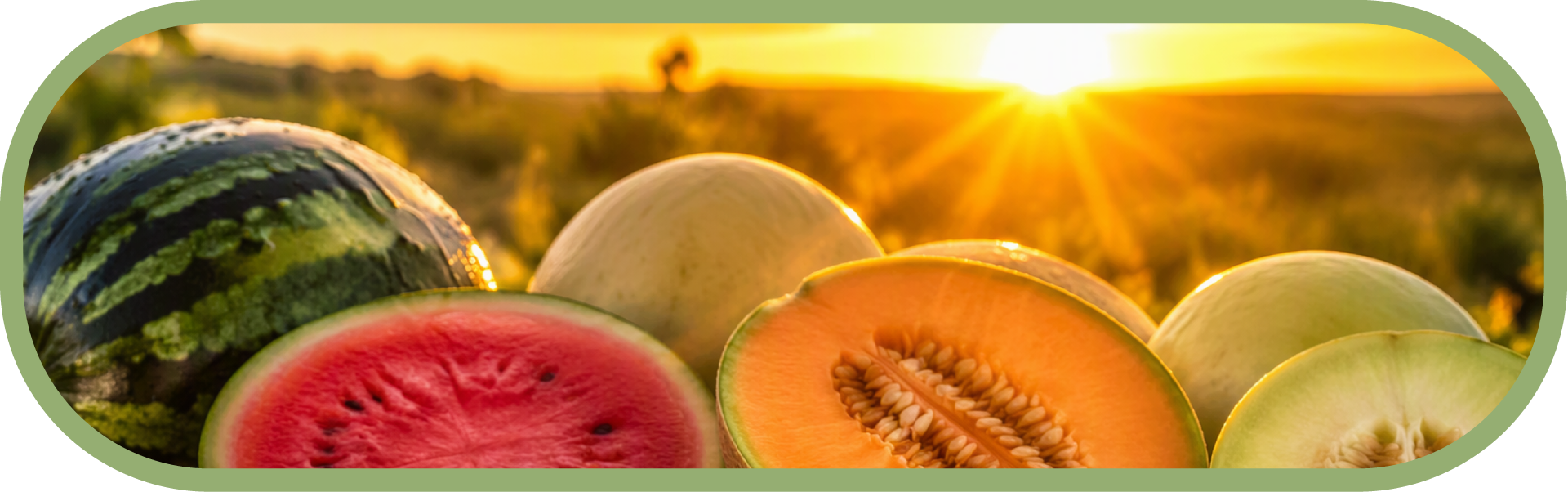
This is it - this is the time of year we live for! Fruits and vegetables of all kinds are abundant. We have tomatoes, corn, sweet/spicy peppers, green beans, berries, peaches and other stone fruit. Melons, cucumber, zucchini, leafy greens and herbs are still plentiful! So many delicious options! August is all about fresh, bold flavors, plentiful produce and shining flavors. That means all your food needs is a touch of grilling, a light sauté, or no cooking at all so those fresh flavors really come through.
Balancing Blood Sugar- How and Why it Matters
Carbohydrates are the body’s main source of energy. When we eat, carbohydrates are broken down into glucose, which is then absorbed into the blood stream where it provides energy to your body’s cells and brain.
The amount of glucose in your blood at any given time is regulated tightly by the hormones insulin and glucagon.
When we eat, blood sugar rises as the body breaks down carbs into glucose and glucose is released into the blood stream. When blood glucose levels get high, the pancreas releases insulin to “escort” the excess glucose out of the blood and into the cells where it can be used or stored.
When we go without eating for a while, our blood glucose levels drop triggering glucagon to release the stored glucose and raise blood sugar levels in the blood stream.
The type of carbohydrates we eat can affect how quickly or how slowly carbs are broken down into glucose and, in turn, how quickly glucose floods the blood stream.
Too fast and too much insulin is released causing too much glucose to be pulled out of the blood stream and then, boom, you’re hungry again. Ideally, it’s more of a slow “drip” of glucose- that’s where fiber, protein and fat come in. They help slow down the breakdown of carbs into sugar so your body gets a slow drip of glucose that it can effectively react to.
Carbohydrates that are high in fiber and/or protein like fruits, vegetables, whole grains and beans/legumes are broken down slowly. Pairing a simple carb (one without fiber/protein), like sugar, with fat or protein can also help reduce its impact on blood glucose.
NUTRITION TAKE-AWAY
Carbs are the body’s main energy source but they can spike blood sugar, making you feel faint or hungry.
Eating fiber, fat and/or protein with carbohydrates helps prevent those carbohydrates from spiking blood glucose levels too quickly.